Railroad Safety
Course Program


Course Description
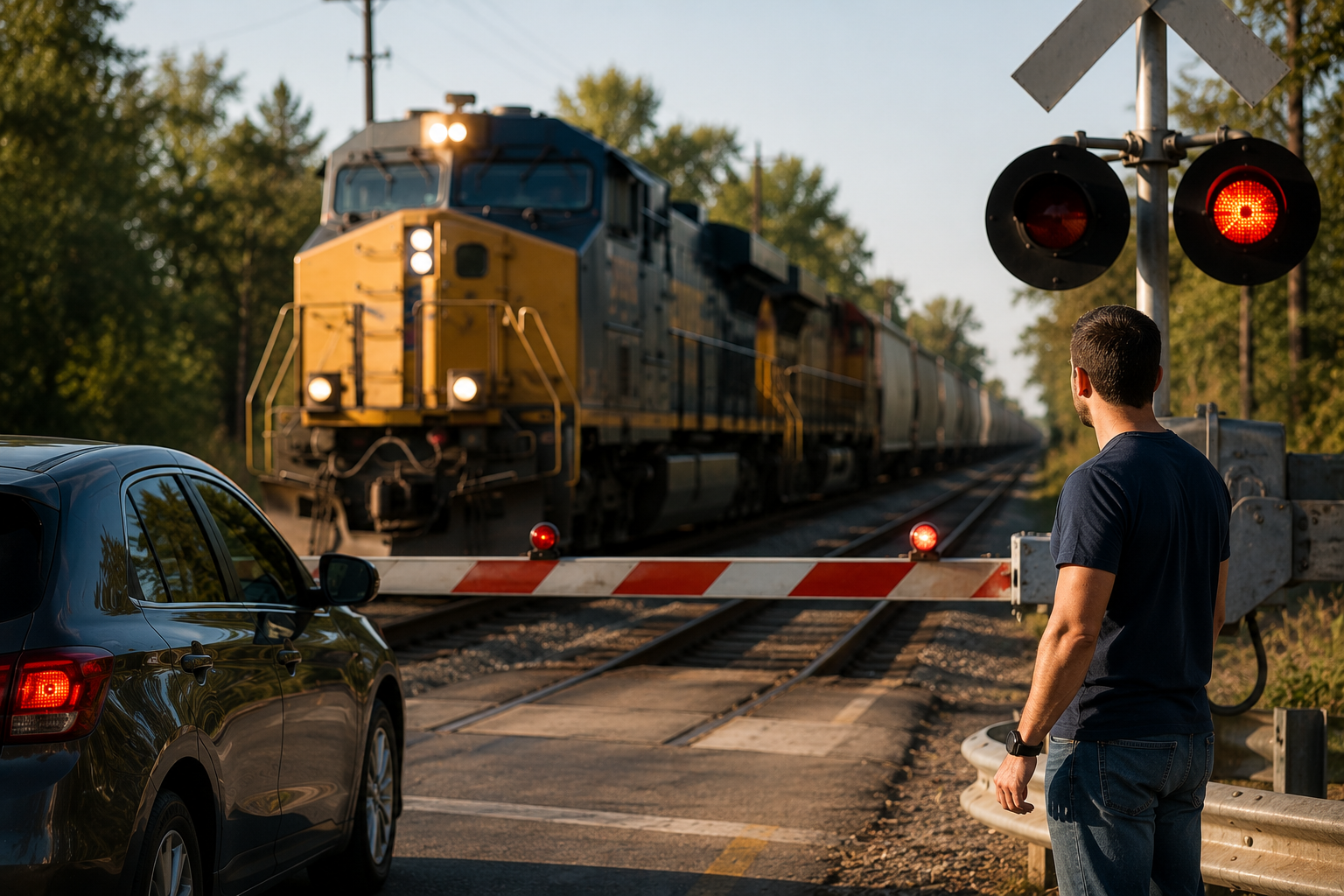
This training provides essential knowledge on railroad safety, focusing on preventing accidents near tracks, understanding train behavior, and promoting safe practices for pedestrians, cyclists, and drivers. Participants will learn life-saving strategies to reduce risks and protect their communities.
- Frequency and severity of train collisions in the U.S.
- Why trains are quieter, faster, and harder to judge than expected
- Trains’ inability to stop quickly (over a mile to halt a freight train)
- Safety zones and optical illusions affecting speed and distance judgment
- Risks of distractions like headphones or phones near tracks
- Trespassing on tracks and ignoring crossing signals
- Taking shortcuts or stalling on tracks without knowing emergency steps
- Approaching crossings with care, looking and listening both ways
- Ensuring complete clearance before crossing and keeping vehicles moving
- Using designated crossings and avoiding tracks, bridges, and tunnels
- Walking bikes across tracks at a 90-degree angle
- Evacuating immediately and moving far from tracks
- Calling the emergency number on the blue and white sign at crossings
- Operation Lifesaver’s free rail safety presentations and resources
- Public service campaigns like #STOPTrackTragedies
- Volunteer opportunities to spread awareness and save lives
- Sharing safety tips, staying alert, and reporting unsafe conditions
Certifications Obtained Upon Completion
Certificate of Completion for Railroad Safety Training
Regulatory Citations
Federal Railroad Administration (FRA) Safety GuidelinesOperation Lifesaver Rail Safety Education Standards
Additional Notes
This course is ideal for drivers, pedestrians, cyclists, and community members who live or work near railroad tracks.Emphasis is placed on proactive safety measures, emergency preparedness, and fostering a culture of rail safety awareness.