Lifting and Back Safety
Course Program



Course Description
This training provides essential knowledge on safe lifting techniques and back safety to prevent workplace injuries. Participants will learn proper lifting practices, ergonomic controls, and strategies to reduce strain and maintain spinal health.
- The Impact of Back Injuries in the Workplace
- Understand the frequency and impact of workplace back injuries on employees and organizations.
- Recognize the costs associated with lost productivity, medical treatment, and workers’ compensation claims.
- Learn how proper lifting techniques and ergonomic practices can help reduce injury risks.
- Understanding Back Injury Risks
- Learn the basic anatomy of the back and how lifting activities can affect muscles, ligaments, and spinal structures.
- Recognize common types of lifting-related injuries, including strains, sprains, and disc-related conditions.
- Identify movements and activities that increase the likelihood of injury, such as bending, twisting, and repetitive lifting.
- Common Lifting Hazards
- Identify workplace hazards that contribute to musculoskeletal disorders and overexertion injuries.
- Recognize risks associated with awkward postures, unstable loads, and poor body mechanics.
- Understand how environmental hazards such as slips, trips, and falls can increase lifting-related injury potential.
- Preparing for Safe Lifting
- Assess loads and work areas before beginning a lifting task.
- Determine whether assistance, mechanical aids, or alternative handling methods are needed.
- Plan lifting routes and identify potential obstacles or hazards.
- Safe Lifting and Material Handling Techniques
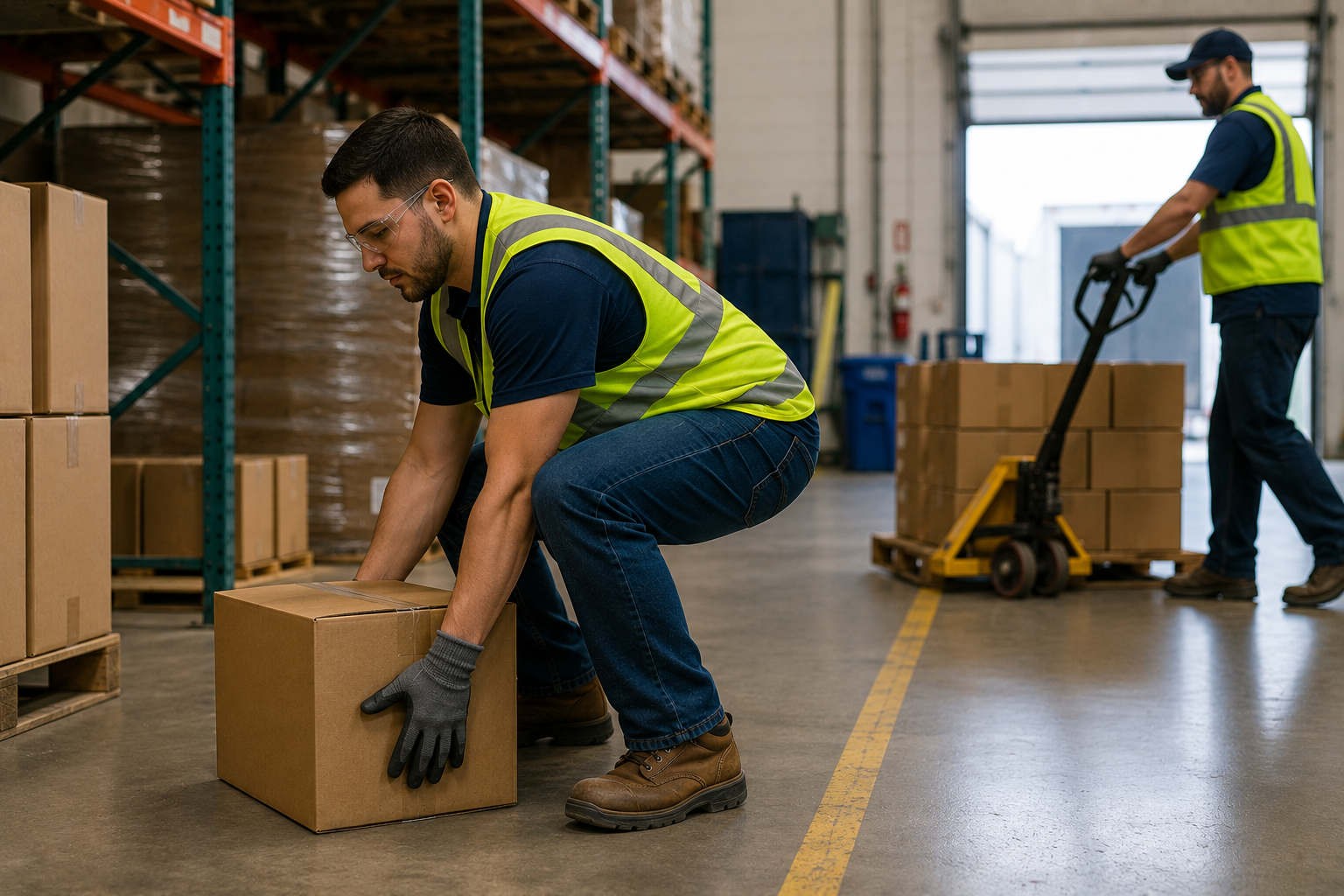
- Apply proper body mechanics during lifting, carrying, and lowering tasks.
- Understand the stages of safe lifting, including preparation, lifting, carrying, and setting down a load.
- Use techniques that minimize stress on the back and reduce the risk of injury.
- Ergonomic Controls and Mechanical Assistance
- Recognize the benefits of mechanical lifting devices and material handling equipment.
- Understand how workstation design and task modifications can reduce physical strain.
- Learn methods for minimizing risk by reducing load size, weight, or lifting frequency.
- Posture, Fitness, and Injury Prevention
- Maintain proper posture and body positioning during work activities.
- Understand how physical conditioning, flexibility, and muscle strength support safe lifting.
- Recognize the role of overall health and wellness in reducing injury risks.
- Recognizing and Responding to Signs of Strain
- Identify early warning signs of muscle fatigue, discomfort, and overexertion.
- Understand the importance of rest breaks, task rotation, and recovery practices.
- Recognize when symptoms require reporting, evaluation, or medical attention.
- Creating a Culture of Safe Material Handling
- Promote hazard awareness and safe lifting practices throughout the workplace.
- Encourage employees to seek assistance when handling challenging loads.
- Support continuous improvement through training, communication, and ergonomic risk reduction efforts.
Certifications Obtained Upon Completion
Certificate of Completion for Lifting and Back Safety Training
Regulatory Citations
OSHA Manual Lifting Guidelines (29 CFR 1910.176 and 29 CFR 1926.251)NIOSH Lifting Equation for Safe Manual Handling
Additional Notes
This course is ideal for workers in industries requiring frequent lifting, such as construction, warehousing, and healthcare.Emphasis is placed on injury prevention, ergonomic solutions, and maintaining long-term spinal health.