
Lead Hazard Training
Course Program
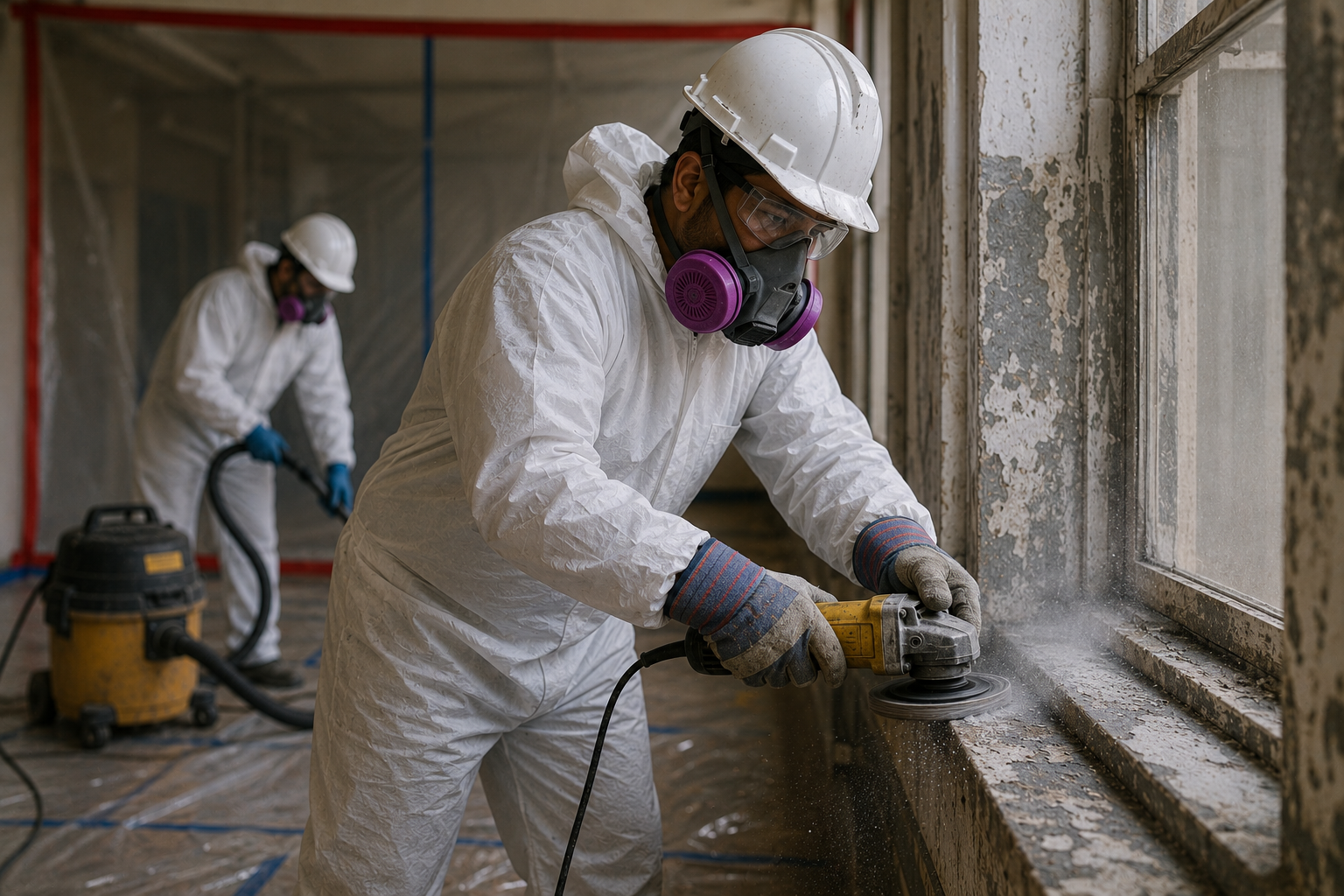



Course Description
This training equips workers with the knowledge to identify, prevent, and respond to lead exposure hazards in the workplace. Participants will learn about health risks, OSHA compliance requirements, and effective safety controls to protect themselves and others.
- Why Lead Safety Matters
- Understand the health risks associated with occupational lead exposure.
- Recognize common workplace activities and industries where lead exposure may occur.
- Learn the importance of preventing lead exposure to protect workers, families, and the community.
- Sources of Lead Exposure
- Identify common materials, products, and processes that may contain lead.
- Recognize workplace conditions that can generate lead dust, fumes, or contaminated surfaces.
- Understand how specific job tasks can increase the risk of exposure.
- How Lead Enters the Body
- Understand the primary routes of lead exposure, including inhalation and ingestion.
- Recognize workplace practices that may contribute to accidental exposure.
- Learn how contamination can spread from the workplace to vehicles, homes, and family members.
- OSHA Lead Standards and Compliance Requirements
- Review OSHA requirements for controlling occupational lead exposure.
- Understand exposure limits, action levels, and employer responsibilities.
- Recognize requirements related to exposure monitoring, medical surveillance, training, and protective measures.
- Health Effects of Lead Exposure
- Identify the short-term and long-term health effects associated with lead exposure.
- Understand how lead can affect the nervous system, kidneys, reproductive system, and other organs.
- Recognize populations that may be particularly vulnerable to lead exposure and its effects.
- Engineering Controls and Safe Work Practices
- Understand the role of engineering controls in reducing airborne lead exposure.
- Apply safe work practices that minimize the generation and spread of lead contamination.
- Recognize the importance of housekeeping, dust control, and exposure prevention procedures.
- Personal Protective Equipment (PPE)
- Identify appropriate personal protective equipment for lead-related work activities.
- Understand the proper use, inspection, maintenance, and limitations of PPE.
- Recognize how respiratory protection and protective clothing support exposure control efforts.
- Hygiene and Decontamination Practices
- Understand personal hygiene requirements for working in lead exposure areas.
- Learn procedures for using change rooms, washing facilities, and designated eating areas.
- Recognize the importance of preventing lead contamination from leaving the workplace.
- Training, Awareness, and Emergency Response
- Recognize the importance of ongoing lead hazard awareness and employee training.
- Understand emergency response procedures for exposure incidents and contamination events.
- Learn how to respond appropriately to accidental exposures and when to seek medical assistance.
Certifications Obtained Upon Completion
Certificate of Completion for Lead Hazard Safety Training
Regulatory Citations
OSHA Lead Standards for General Industry (29 CFR 1910.1025)OSHA Lead Standards for Construction (29 CFR 1926.62)
Additional Notes
This course is ideal for workers in industries such as construction, battery manufacturing, and metal smelting.Emphasis is placed on compliance, prevention, and emergency response to minimize lead exposure risks.