
Fall Protection
Course Program



Course Description
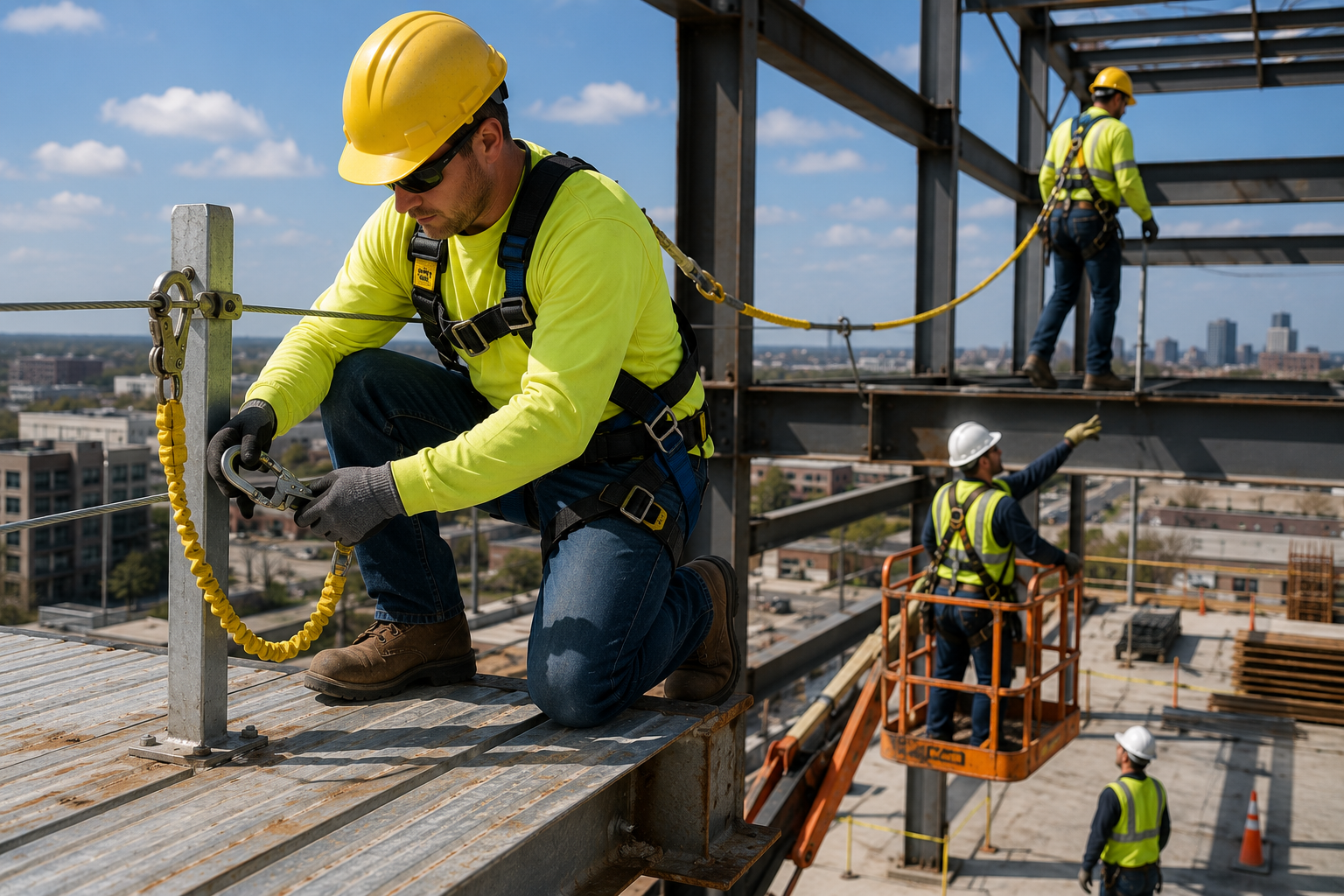
This Fall Protection training equips employees with the knowledge and skills to recognize and minimize fall hazards in the workplace. Participants will learn about fall protection systems, safety procedures, and compliance with OSHA standards to ensure a safe working environment.
-
Introduction to Fall Protection
- Understand the scope, purpose, and application of fall protection requirements in the workplace.
- Recognize the importance of preventing falls and reducing fall-related injuries and fatalities.
- Identify employer and employee responsibilities for maintaining a safe work environment.
-
OSHA Fall Protection Requirements
- Review OSHA standards governing fall protection in construction and related work activities.
- Understand regulatory requirements for identifying and controlling fall hazards.
- Recognize compliance obligations associated with workplace fall protection programs.
-
Fall Hazard Recognition and Assessment
- Identify common fall hazards in a variety of work environments.
- Recognize risks associated with excavations, hoist areas, elevated work surfaces, and roofing operations.
- Apply hazard assessment techniques to evaluate fall exposure and determine appropriate controls.
-
Safe Work Practices and Hazard Prevention
- Apply safe work practices when working at heights and around fall hazards.
- Understand procedures for handling materials, equipment, and tools in elevated work areas.
- Recognize the importance of maintaining housekeeping and overhead protection to reduce risks.
-
Fall Protection Systems
- Understand the purpose and application of common fall protection systems.
- Identify guardrail systems, personal fall arrest systems, and safety net systems used to protect workers.
- Recognize the advantages, limitations, and proper use of various fall protection methods.
-
Specialized Fall Protection Controls
- Understand the use of positioning device systems, warning line systems, and safety monitoring systems.
- Recognize the purpose of controlled access zones and protective covers.
- Apply specialized controls to reduce fall hazards in unique work environments.
-
Workplace-Specific Fall Protection Applications
- Identify fall protection requirements for low-slope roofs, steep roofs, wall openings, and leading-edge work.
- Understand safety measures associated with precast concrete erection, residential construction, and masonry operations.
- Recognize how fall protection strategies vary based on worksite conditions and job tasks.
-
Protection from Falling Objects
- Recognize hazards associated with falling tools, equipment, and construction materials.
- Apply procedures that protect workers and bystanders from struck-by incidents.
- Understand the role of overhead protection, tool securing methods, and controlled work zones.
-
Training and Certification Requirements
- Understand employer responsibilities for fall protection training and employee competency.
- Recognize requirements for written certification, documentation, and retraining.
- Apply knowledge gained through training to identify hazards and work safely at elevated locations.
-
Fall Protection Program Management
- Promote compliance through planning, inspections, and hazard awareness.
- Encourage employee involvement in identifying and correcting fall hazards.
- Support a culture of safety through continuous improvement and proactive risk management.
Certifications Obtained Upon Completion
Certificate of Completion for Fall Protection Training
Regulatory Citations
OSHA Fall Protection Standards (29 CFR 1926 Subpart M)OSHA General Duty Clause (Section 5(a)(1) of the Occupational Safety and Health Act)
Additional Notes
This course is ideal for employees working in construction, roofing, and other industries with fall hazards.Emphasis is placed on hazard recognition, proper use of fall protection systems, and compliance with OSHA standards to ensure workplace safety.