
Excavation Safety for Residential Construction
Course Program



Course Description
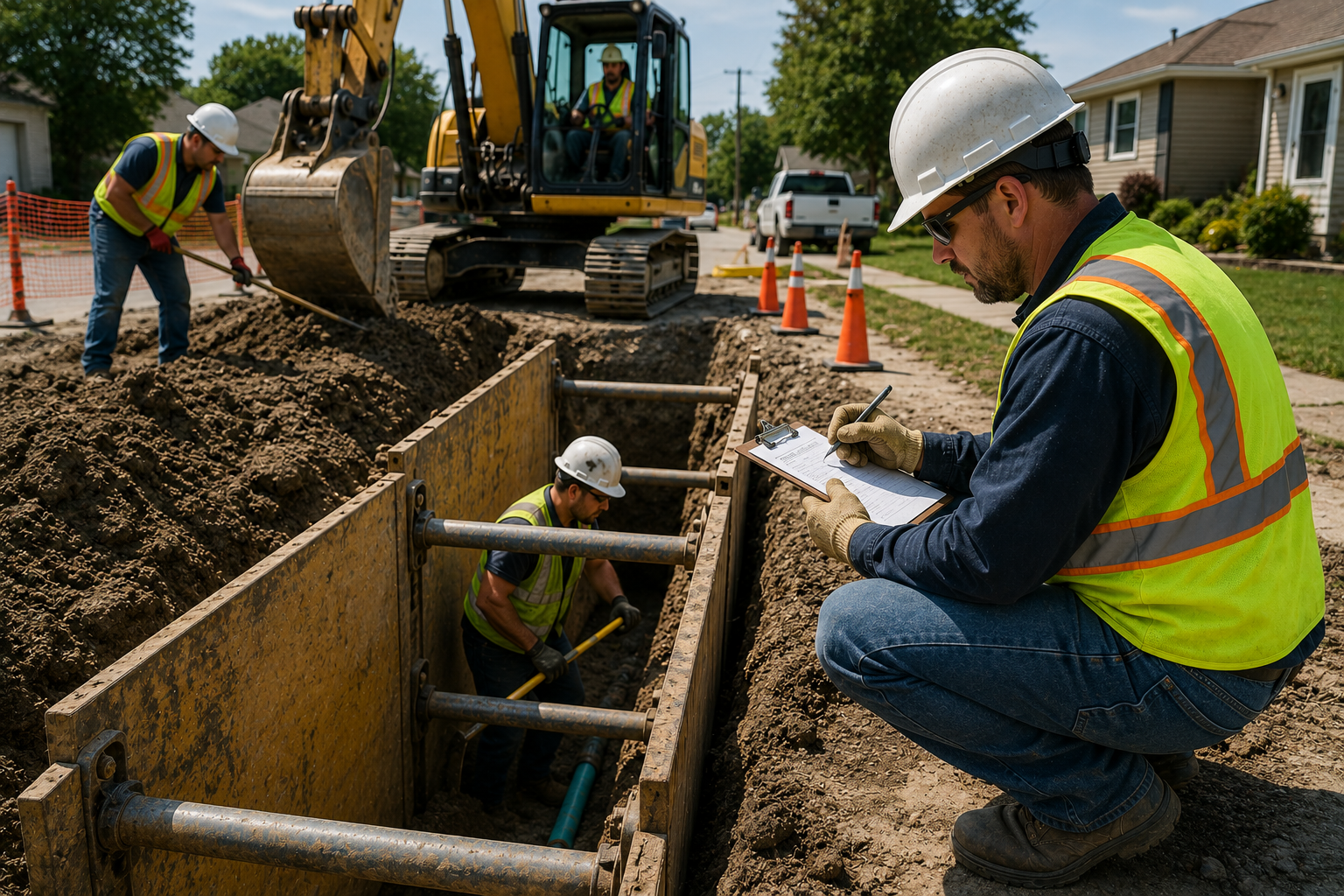
This Excavation Safety training is designed for small businesses and low-hazard service providers working on residential properties. Participants will learn to implement safe excavation practices, comply with OSHA standards, and address state-specific regulations for residential construction sites.
- Introduction to Residential Excavation Safety
- Understand the hazards associated with residential excavation and trenching activities.
- Recognize the purpose and application of OSHA excavation standards in residential construction.
- Identify employer and employee responsibilities for maintaining a safe excavation worksite.
- OSHA Standards and Regulatory Requirements
- Review OSHA requirements governing excavation and trenching operations.
- Understand how excavation safety standards apply to residential construction projects.
- Recognize compliance requirements for protecting workers from excavation-related hazards.
- Residential vs. Commercial Excavation Operations
- Understand the key differences between residential and commercial excavation projects.
- Recognize unique hazards and challenges commonly encountered in residential settings.
- Apply safety practices appropriate for smaller-scale excavation activities and confined work areas.
- Dig Safe Practices and Utility Protection
- Understand procedures for locating underground utilities before excavation begins.
- Recognize hazards associated with buried electrical, gas, water, sewer, and communication lines.
- Apply Dig Safe practices to prevent utility strikes and excavation-related incidents.
- Safe Excavation Work Practices
- Identify common excavation hazards, including cave-ins, falls, and struck-by incidents.
- Apply safe work procedures for residential excavation and trenching operations.
- Recognize the importance of maintaining safe access, egress, and site housekeeping.
- State and Local Compliance Requirements
- Understand state-specific requirements related to excavation and open trench safety.
- Recognize additional regulations that may apply to residential construction projects.
- Maintain compliance with utility notification, excavation permitting, and safety requirements.
- Emergency Response Planning
- Understand the importance of developing site-specific emergency response procedures.
- Recognize potential excavation emergencies and appropriate response actions.
- Coordinate emergency communication and rescue procedures to protect workers and the public.
- Personal Protective Equipment (PPE)
- Identify personal protective equipment required for excavation and construction activities.
- Recognize hazards that require eye, face, head, foot, hand, and high-visibility protection.
- Understand the proper selection, use, inspection, and maintenance of PPE.
- Hazard Prevention and Continuous Improvement
- Promote proactive hazard identification and risk assessment before and during excavation work.
- Recognize the importance of employee training, communication, and incident reporting.
- Support a culture of safety through compliance, planning, and continuous improvement.
Certifications Obtained Upon Completion
Certificate of Completion for Excavation Safety for Residential Construction
Regulatory Citations
OSHA Excavation Standards (29 CFR 1926 Subpart P)OSHA Eye and Face Protection Standards (29 CFR 1910.133)State-specific regulations for residential excavation safety
Additional Notes
This course is ideal for small business owners, contractors, and workers involved in residential excavation projects.Emphasis is placed on hazard prevention, regulatory compliance, and emergency preparedness to ensure safe and efficient excavation practices.