Chlorine, Cadmium, Chromium, Lead, Acids, Alkalines….etc.
Course Program



Course Description
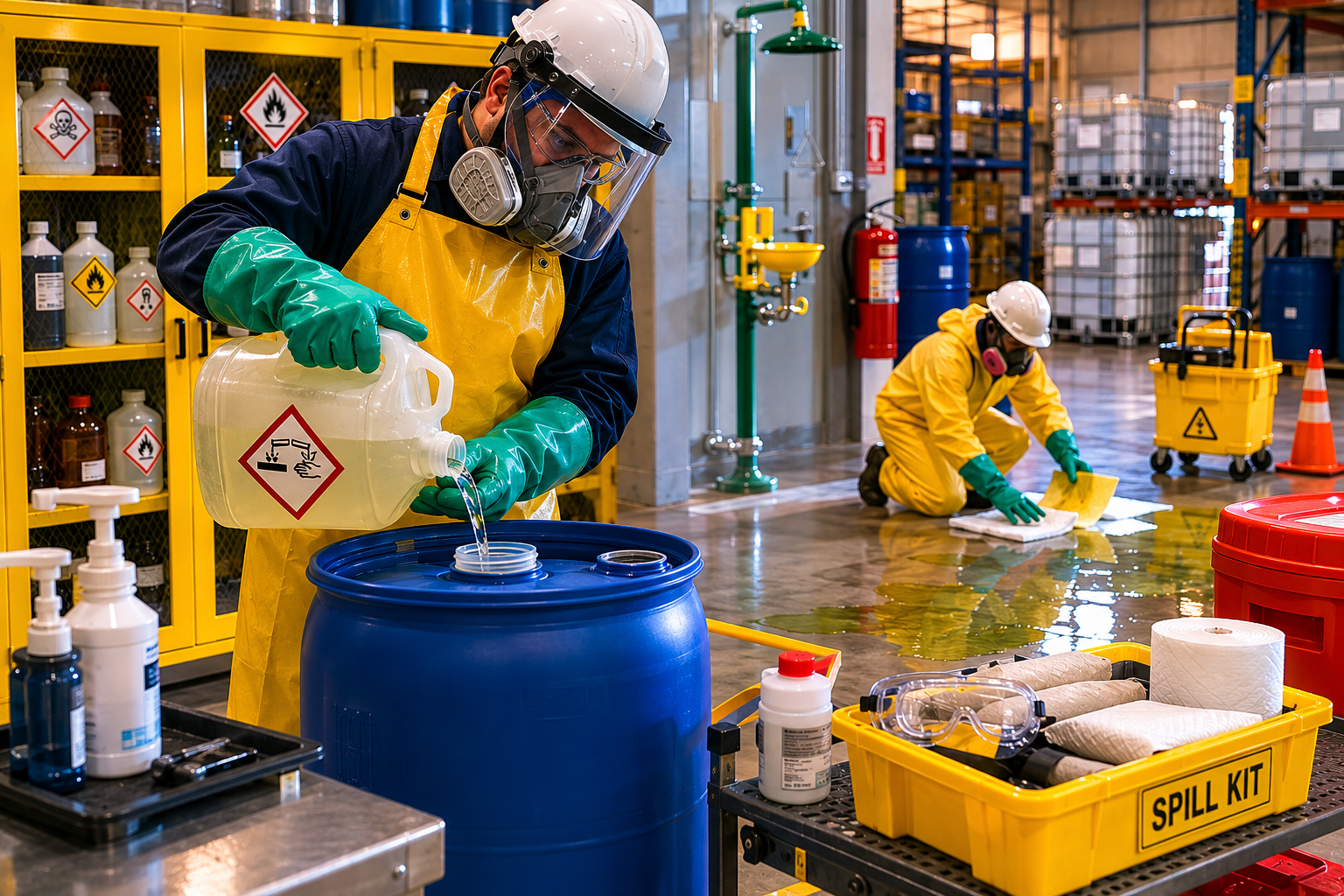
This training provides critical knowledge on the safe handling, storage, and use of hazardous chemicals, including chlorine, heavy metals, acids, and alkalines. Participants will learn to identify chemical hazards, implement safety measures, and respond effectively to spills and exposures.
- Health risks and occupational illnesses linked to chemical exposures
- Importance of proper handling to prevent injuries and fatalities
- Properties, exposure routes, and acute/chronic health effects of chlorine
- Risks of explosive reactions with incompatible substances
- Health effects of cadmium (kidney damage, carcinogen), chromium (lung cancer, skin ulcers), and lead (neurotoxin)
- Proper respiratory protection and exposure prevention methods
- Dangers of corrosive chemicals causing burns, eye damage, and respiratory irritation
- Risks of improper mixing and violent chemical reactions
- Identifying and avoiding dangerous chemical reactions
- Using chemical incompatibility lists and SDS for safe storage and handling
- Segregating incompatible chemicals and maintaining clear labeling
- Proper storage in corrosion-resistant cabinets and maintaining emergency access
- Essential PPE for chemical handling and spill cleanup procedures
- Emergency response protocols, including evacuation and SDS access
- Methods for detecting chemical exposure through surface sampling and biological monitoring
- Understanding Biological Exposure Indices (BEIs) to prevent chronic health effects
Certifications Obtained Upon Completion
Certificate of Completion for Chemical Safety Training
Regulatory Citations
OSHA 29 CFR 1910.1200: Hazard Communication StandardOSHA 29 CFR 1910.1450: Occupational Exposure to Hazardous Chemicals in LaboratoriesOSHA 29 CFR 1910.1000: Air ContaminantsNIOSH Guidelines for Chemical Safety
Additional Notes
This course is ideal for employees working with hazardous chemicals in industries such as manufacturing, laboratories, and maintenance.Emphasis is placed on proactive hazard prevention, compliance with safety standards, and fostering a culture of chemical safety.