
Silica Safety Training
Course Program



Course Description
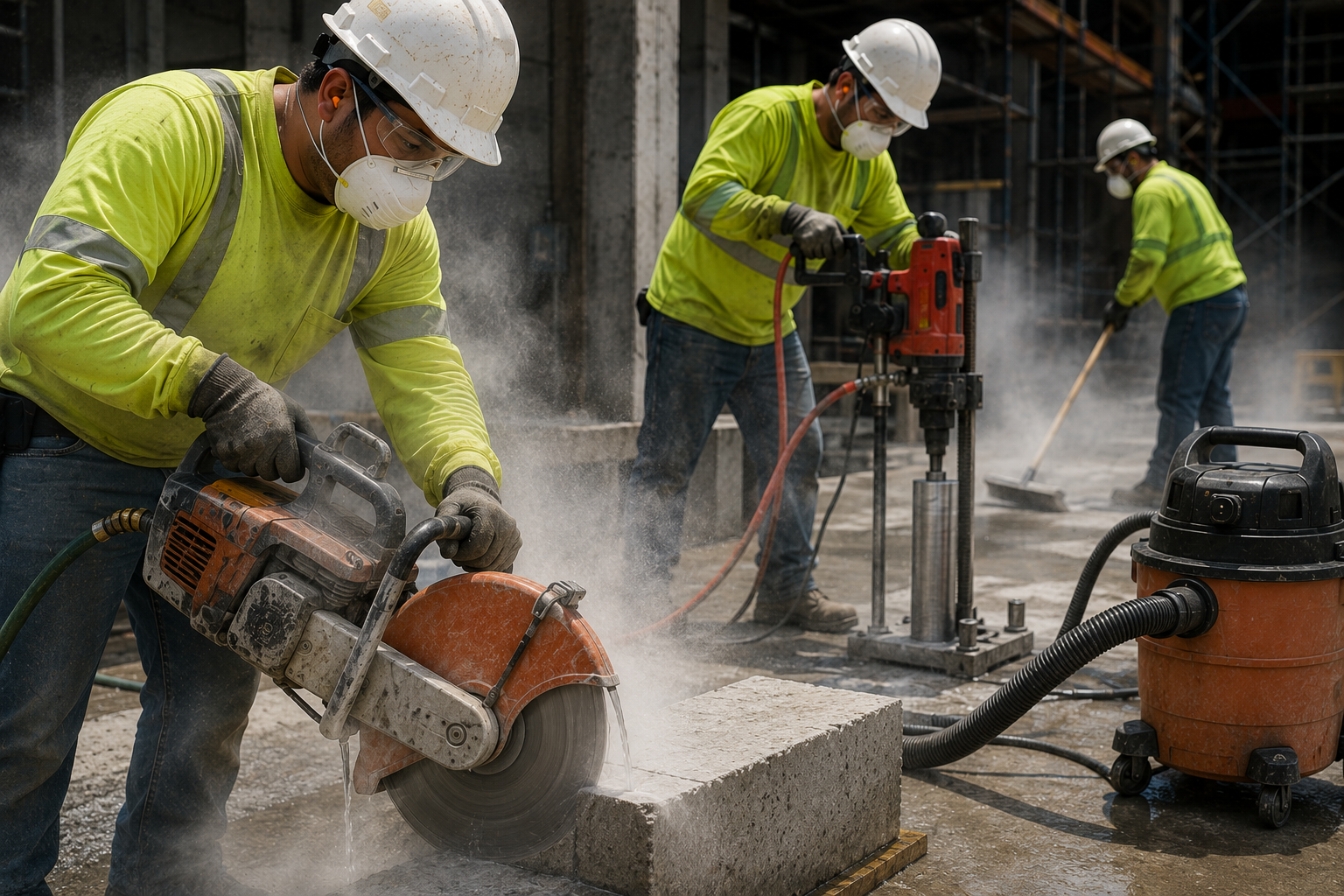
This training provides essential knowledge on the hazards of respirable crystalline silica, OSHA’s updated silica standards, and effective exposure control measures. Participants will learn to identify risks, implement dust control methods, and comply with regulatory requirements to protect worker health.
- Understanding Crystalline Silica and Its Hazards
- Learn what crystalline silica is and identify common materials and work activities that generate silica dust.
- Understand how respirable crystalline silica affects the body and the serious health risks associated with exposure.
- Recognize the signs, symptoms, and long-term consequences of silica-related illnesses.
- OSHA Silica Standards and Regulatory Requirements
- Review OSHA requirements for controlling employee exposure to respirable crystalline silica.
- Understand permissible exposure limits (PELs), action levels, and employer responsibilities.
- Learn task-specific requirements for common construction, industrial, and maintenance activities involving silica.
- Exposure Identification and Assessment
- Identify workplace activities and operations that may generate respirable silica dust.
- Understand exposure monitoring and sampling methods used to evaluate employee exposure levels.
- Learn how exposure assessments help determine appropriate control measures.
- Exposure Control Measures
- Learn effective methods for reducing airborne silica dust during work activities.
- Understand the use of engineering controls such as water suppression systems and local exhaust ventilation.
- Recognize control methods for handheld power tools, cutting equipment, and other dust-generating operations.
- Understand the components of an effective silica exposure control program.
- Medical Surveillance and Hazard Communication
- Understand medical surveillance requirements for employees exposed to respirable crystalline silica.
- Learn the purpose of medical evaluations and ongoing health monitoring.
- Recognize the importance of hazard communication, employee awareness, and safety training.
- Personal Protective Equipment (PPE)
- Identify appropriate respiratory protection and other PPE used when exposure cannot be adequately controlled.
- Understand the limitations, inspection requirements, and proper use of protective equipment.
- Learn how PPE supports a comprehensive silica exposure prevention strategy.
- Administrative Controls and Safe Work Practices
- Implement work practices that minimize employee exposure to respirable crystalline silica.
- Understand the role of administrative controls, including work scheduling, restricted access areas, and housekeeping procedures.
- Learn best practices for maintaining compliance and protecting worker health.
- Achieving Compliance and Improving Workplace Safety
- Understand employer and employee responsibilities for silica safety compliance.
- Recognize the benefits of proactive exposure control and continuous improvement.
- Learn how effective silica management programs reduce health risks, improve compliance, and create safer workplaces.
Certifications Obtained Upon Completion
Certificate of Completion for Silica Safety Training
Regulatory Citations
OSHA Respirable Crystalline Silica Standards:29 CFR 1926.1153 (Construction)29 CFR 1910.1053 (General Industry and Maritime)
Additional Notes
This course is ideal for workers in construction, manufacturing, and industries where silica exposure is common.Emphasis is placed on hazard prevention, regulatory compliance, and fostering a culture of safety in silica-related tasks.