Motorcycle Safety
Course Program



Course Description
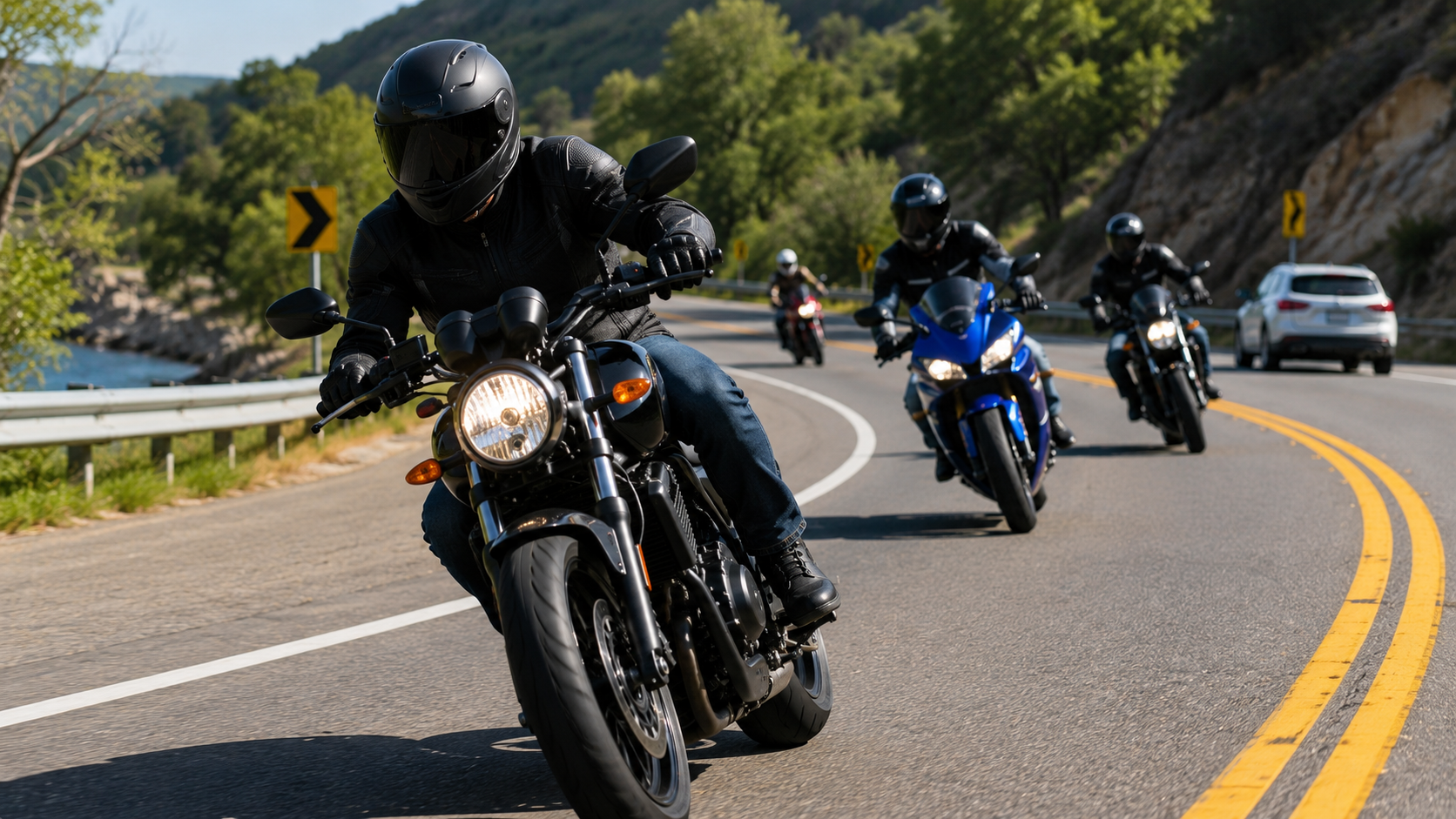
This training provides essential knowledge and skills for safe motorcycle operation, focusing on defensive riding, crash prevention, and the importance of protective gear. Participants will learn strategies to reduce risks, improve handling, and stay safe on the road.
-
The Importance of Motorcycle Safety
- Understand the unique risks associated with motorcycle operation.
- Recognize common factors that contribute to motorcycle crashes and serious injuries.
- Learn how rider awareness, preparation, and safe riding practices help reduce risk.
-
Risk Factors and Rider Awareness
- Identify common rider, vehicle, roadway, and environmental factors that influence motorcycle safety.
- Recognize behaviors and conditions that increase crash risk.
- Develop strategies for maintaining awareness and making informed riding decisions.
-
Protective Gear and Rider Visibility
- Understand the importance of wearing appropriate protective equipment while riding.
- Identify the purpose and benefits of helmets, eye protection, gloves, boots, and protective clothing.
- Recognize methods for improving rider visibility during daytime and nighttime operation.
-
Defensive Riding Techniques
- Apply defensive riding principles to anticipate and respond to potential hazards.
- Maintain situational awareness through effective scanning and hazard recognition.
- Understand safe following distances and space management techniques.
-
Crash Prevention Strategies
- Recognize common motorcycle crash scenarios and methods for avoiding them.
- Understand the effects of speed, visibility, roadway conditions, and rider impairment on safety.
- Apply safe cornering, braking, and maneuvering techniques to reduce collision risks.
-
Motorcycle Operation and Vehicle Control
- Understand the fundamentals of motorcycle handling and vehicle dynamics.
- Recognize how weather, traffic, and road surface conditions affect motorcycle control.
- Apply techniques that support smooth, controlled, and predictable riding.
-
Rider Training and Skill Development
- Understand the value of formal rider education and skills training.
- Recognize how training improves hazard recognition, vehicle control, and decision-making.
- Promote continuous learning and skill development throughout a rider’s experience.
-
Group Riding Safety
- Learn best practices for participating in group rides safely and effectively.
- Understand the importance of communication, ride planning, and rider coordination.
- Recognize strategies for maintaining safe riding habits and avoiding unnecessary risks in group settings.
-
Legal Requirements and Responsible Riding
- Understand applicable motorcycle safety laws and rider responsibilities.
- Recognize the importance of complying with helmet, eye protection, licensing, and vehicle requirements.
- Promote a culture of responsible riding through awareness, compliance, and safe decision-making.
Certifications Obtained Upon Completion
Certificate of Completion for Motorcycle Safety Training
Regulatory Citations
National Highway Traffic Safety Administration (NHTSA) Motorcycle Safety GuidelinesState-specific helmet and protective gear laws
Additional Notes
This course is ideal for both novice and experienced riders looking to enhance their safety skills.Emphasis is placed on defensive riding, crash prevention, and the life-saving importance of protective gear.