Machine Guarding
Course Program



Course Description
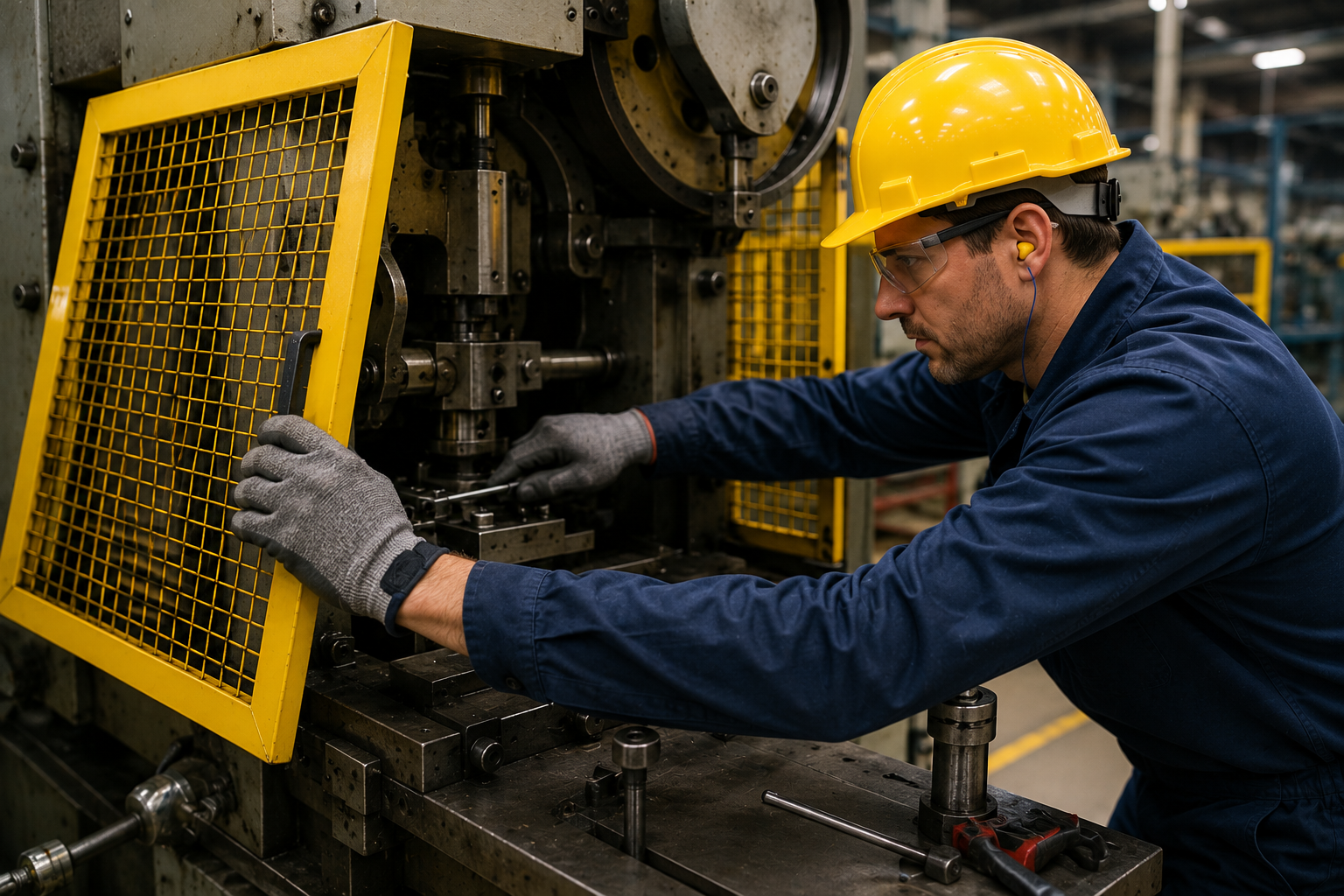
This training provides essential knowledge on machine guarding to prevent workplace injuries caused by moving machine parts. Participants will learn about hazard identification, safeguarding techniques, and OSHA compliance requirements to ensure a safe working environment.
- Introduction to Machine Guarding
- Understand the purpose of machine guarding and its role in preventing workplace injuries.
- Recognize the types of injuries that can result from unguarded or improperly guarded machinery.
- Identify employer and employee responsibilities for maintaining machine safety.
- Mechanical Hazards and Hazard Recognition
- Identify common mechanical hazards associated with machinery and equipment.
- Understand hazardous machine motions, actions, and moving components that can cause injury.
- Recognize methods for identifying and evaluating machine-related risks in the workplace.
- OSHA Machine Guarding Requirements
- Review OSHA requirements for machine guarding and employee protection.
- Understand the objectives of safeguarding hazardous machine areas and operations.
- Recognize regulatory requirements for maintaining effective machine guarding systems.
- Machine Guards and Safeguarding Devices
- Differentiate between machine guards and safeguarding devices.
- Understand the purpose and application of various guarding methods.
- Recognize how safeguarding systems help prevent contact with hazardous machine components.
- Types of Machine Guards
- Identify fixed, interlocked, adjustable, and self-adjusting machine guards.
- Understand the advantages, limitations, and appropriate applications of each guard type.
- Recognize inspection and maintenance requirements for guarding systems.
- Safeguarding Devices and Safety Controls
- Understand the function of safeguarding devices such as presence-sensing systems, pullback devices, restraint devices, and two-hand controls.
- Recognize how safety controls help reduce employee exposure to machine hazards.
- Apply safe operating practices when using safeguarded equipment.
- Advanced Safeguarding Techniques
- Learn safeguarding methods based on machine location, feeding systems, and ejection controls.
- Understand the use of specialized safety devices, including foot controls and other operational safeguards.
- Recognize additional protective measures used to reduce machine-related risks.
- Lockout/Tagout and Machine Safety
- Understand the relationship between machine guarding and hazardous energy control.
- Recognize the importance of Lockout/Tagout procedures during maintenance, servicing, and repair activities.
- Learn how energy isolation helps protect employees from unexpected startup or energy release.
- Training, Awareness, and Safe Work Practices
- Understand training requirements for employees who operate, service, or work around machinery.
- Recognize unsafe conditions and the importance of reporting damaged or missing guards.
- Promote a culture of safety through hazard awareness, compliance, and continuous improvement.
Certifications Obtained Upon Completion
Certificate of Completion for Machine Guarding Training
Regulatory Citations
OSHA Machine Guarding Standard (29 CFR 1910.212)OSHA Lockout/Tagout Standard (29 CFR 1910.147)
Additional Notes
This course is ideal for workers and supervisors in industries with machinery operations, such as manufacturing, construction, and warehousing.Emphasis is placed on hazard prevention, safeguarding techniques, and compliance with OSHA standards to create a safer workplace.