Food Safety (Awareness)
Course Program



Course Description
This Food Safety Awareness training provides essential knowledge to prevent foodborne illnesses and protect public health. Participants will learn about contamination types, safe food handling practices, and compliance with food safety standards to ensure a safe and hygienic environment.
-
Introduction to Food Safety
- Understand the importance of food safety in protecting public health.
- Recognize the global impact of foodborne illnesses on individuals, businesses, and communities.
- Identify the role of food handlers in preventing contamination and reducing food safety risks.
-
Foodborne Illnesses and Their Impact
- Understand the causes and consequences of foodborne illnesses.
- Recognize the health, operational, and economic impacts of unsafe food handling practices.
- Identify factors that contribute to foodborne disease outbreaks.
-
Types of Food Contamination
- Identify biological, chemical, physical, and allergen-related food hazards.
- Recognize common sources of contamination during food preparation, storage, and service.
- Apply preventive measures to reduce contamination risks throughout the food handling process.
-
Temperature and Time Control for Food Safety
- Understand the importance of controlling time and temperature to prevent bacterial growth.
- Recognize temperature ranges that increase food safety risks.
- Apply safe cooking, holding, cooling, and reheating practices to maintain food safety.
-
Personal Hygiene and Employee Health
- Understand the role of personal hygiene in preventing food contamination.
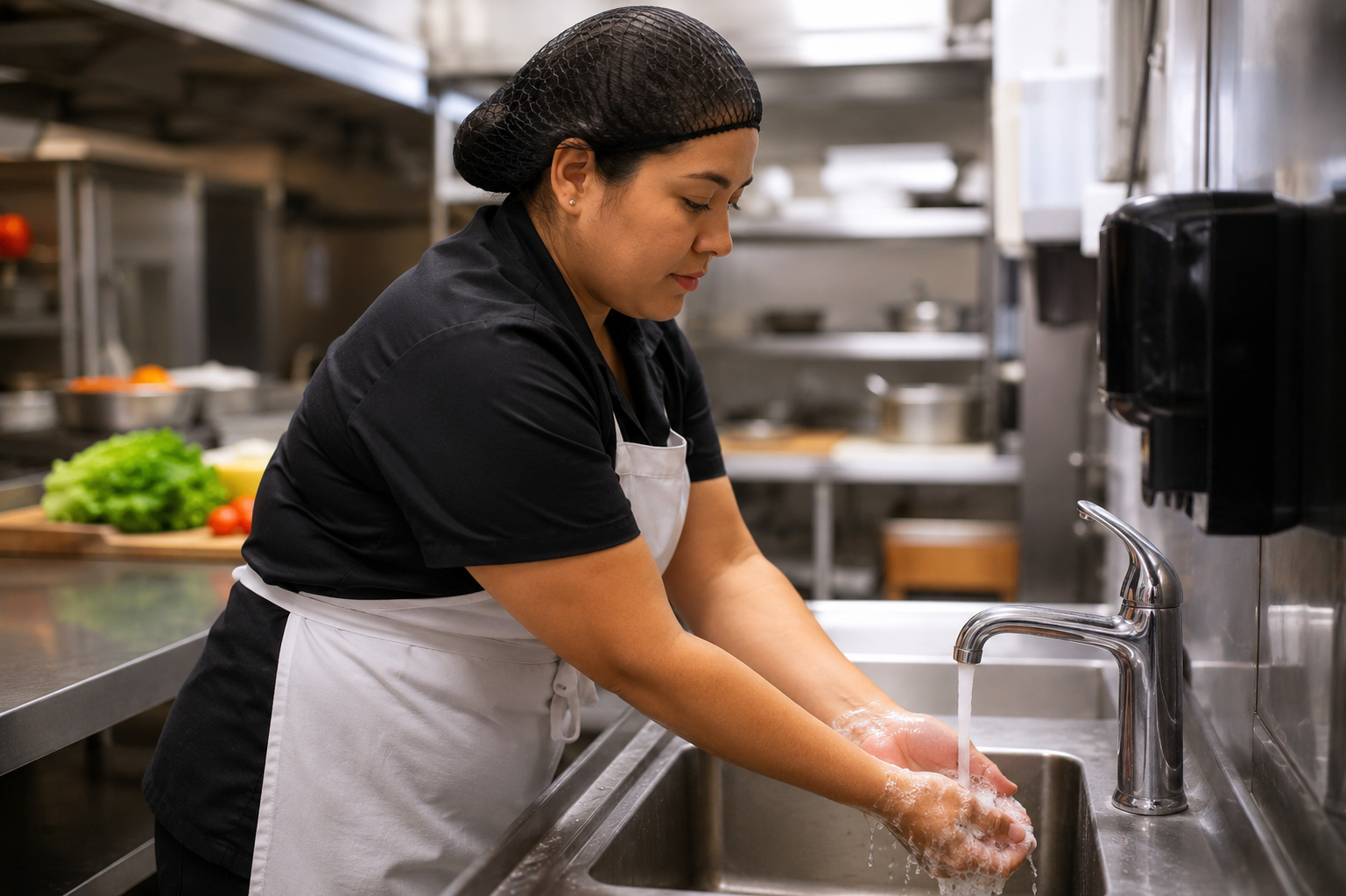
- Apply proper handwashing and personal cleanliness practices.
- Recognize employee health conditions and behaviors that may increase food safety risks.
-
Cross-Contamination Prevention
- Identify activities that can result in cross-contamination between food products and surfaces.
- Apply safe food preparation and handling practices to minimize contamination risks.
- Understand the importance of separating raw, cooked, and ready-to-eat foods.
-
Safe Food Storage Practices
- Understand proper food storage requirements and temperature controls.
- Apply labeling, dating, and stock rotation procedures to maintain product quality and safety.
- Recognize the importance of separating food products from chemicals and other contaminants.
-
Cleaning and Sanitizing Procedures
- Understand the difference between cleaning and sanitizing.
- Identify approved sanitizing methods and proper application procedures.
- Maintain clean food preparation, storage, and service areas to reduce contamination risks.
-
Protecting High-Risk Populations
- Recognize individuals who may be more vulnerable to foodborne illnesses.
- Understand additional precautions necessary when preparing and serving food to high-risk groups.
- Identify food products and practices that require special attention to protect sensitive populations.
-
Food Safety Culture and Continuous Improvement
- Promote safe food handling practices throughout all stages of food preparation and service.
- Encourage employee accountability, training, and hazard awareness.
- Support a culture of food safety through compliance, monitoring, and continuous improvement.
Certifications Obtained Upon Completion
Certificate of Completion for Food Safety Awareness Training
Regulatory Citations
FDA Food Code (latest edition)USDA Food Safety and Inspection Service (FSIS) GuidelinesWHO Food Safety Standards and Recommendations
Additional Notes
This course is ideal for food handlers, kitchen staff, and anyone involved in food preparation or storage.Emphasis is placed on practical steps to prevent contamination, ensure proper hygiene, and protect high-risk populations.