
Fiber Awareness
Course Program



Course Description
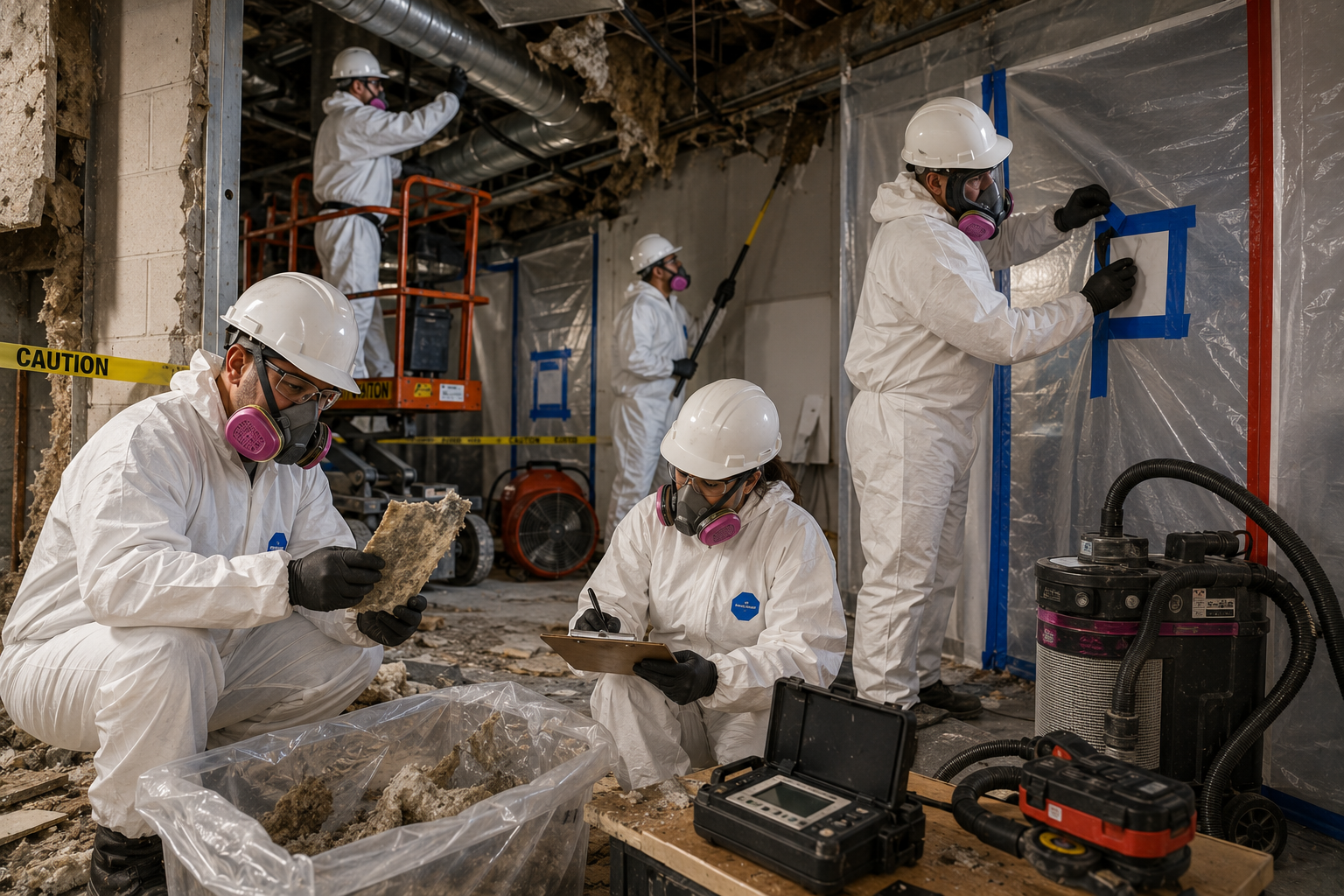
This Fiber Awareness training provides essential knowledge on hazardous fibers, materials, and related safety practices. Participants will learn about asbestos removal, industrial hygiene, and fire safety to ensure compliance with occupational health and safety standards.
- Introduction to Hazardous Fibers and Materials
- Understand the types of hazardous fibers and materials commonly encountered in workplace environments.
- Recognize the sources and applications of asbestos, ceramic fibers, man-made mineral fibers, cristobalite, tridymite, and other hazardous materials.
- Identify potential exposure situations that may place workers at risk.
- Health Hazards of Fiber Exposure
- Understand how hazardous fibers can affect the respiratory system and overall health.
- Recognize the short-term and long-term health effects associated with fiber exposure.
- Identify factors that influence exposure risk and potential health outcomes.
- Hazard Recognition and Risk Assessment
- Identify workplace conditions that may result in the release of hazardous fibers.
- Recognize activities that can disturb fiber-containing materials and increase exposure risks.
- Apply hazard assessment techniques to evaluate and control workplace risks.
- Demolition and Renovation Safety
- Understand hazards associated with demolition, renovation, and maintenance activities involving fiber-containing materials.
- Recognize procedures that help minimize the release of hazardous fibers during work operations.
- Apply safe work practices when working around potentially contaminated materials.
- Asbestos Awareness and Removal Requirements
- Understand the regulatory requirements governing asbestos-containing materials.
- Recognize procedures used for asbestos identification, handling, and removal activities.
- Learn the importance of controlling exposure and maintaining compliance with applicable regulations.
- Industrial Hygiene Principles
- Understand the role of industrial hygiene in identifying, evaluating, and controlling workplace exposures.
- Recognize methods used to monitor airborne contaminants and assess worker exposure.
- Apply exposure control strategies to reduce health risks associated with hazardous fibers.
- Occupational Health and Exposure Prevention
- Implement workplace practices that reduce employee exposure to hazardous materials.
- Recognize the importance of personal hygiene, housekeeping, and contamination control procedures.
- Support occupational health through effective training, monitoring, and preventive measures.
- Air Emissions and Environmental Controls
- Understand the importance of controlling airborne fiber emissions in the workplace.
- Recognize engineering controls and ventilation systems used to minimize airborne contaminants.
- Apply environmental control measures that protect workers and surrounding communities.
- Fire Safety and Emergency Preparedness
- Identify fire hazards associated with fiber-related materials and industrial processes.
- Understand fire prevention, emergency response, and evacuation procedures.
- Recognize the importance of emergency planning and preparedness in high-risk work environments.
- Training, Compliance, and Continuous Improvement
- Understand employee responsibilities for recognizing and reporting hazardous conditions.
- Maintain compliance through training, inspections, and exposure control programs.
- Promote a culture of safety through continuous improvement and proactive hazard management.
Certifications Obtained Upon Completion
Certificate of Completion for Fiber Awareness Training
Regulatory Citations
OSHA Asbestos Standards (29 CFR 1910.1001 and 29 CFR 1926.1101)OSHA Hazard Communication Standards (29 CFR 1910.1200)EPA National Emission Standards for Hazardous Air Pollutants (NESHAP)OSHA General Duty Clause (Section 5(a)(1) of the Occupational Safety and Health Act)
Additional Notes
This course is ideal for workers in construction, demolition, and industries handling hazardous fibers and materials.Emphasis is placed on hazard identification, safe removal practices, and compliance with OSHA and EPA standards to ensure workplace safety.